Global Demand for Shea Butter: Why Africa Supplies the World — and Why You Must Invest Now
Shea butter has moved far beyond traditional use. Today, it is a strategic global commodity demanded by the cosmetics, food, pharmaceutical, and industrial sectors. This rising demand explains why the world continues to import shea butter from Africa—and why early investment matters.
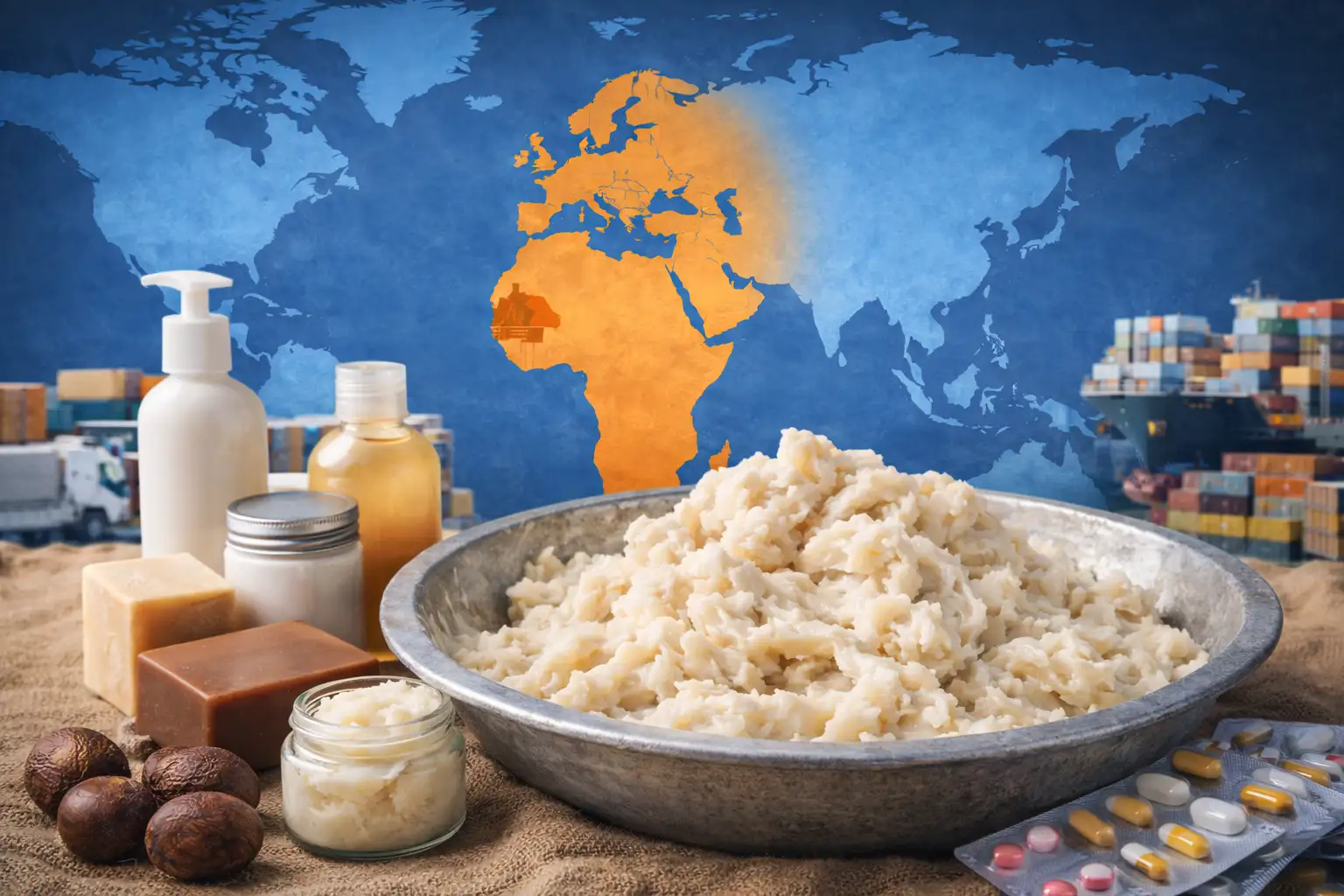
Where Shea Butter Is Used Globally
1. Cosmetics & Personal Care (largest demand)
Shea butter is a core ingredient in:
skin creams and body butters
lotions, soaps, lip balms
hair conditioners and treatments
Major beauty brands in United States, France, Germany, United Kingdom, and South Korea use shea butter because it is:
deeply moisturizing
stable in formulations
suitable for sensitive skin
aligned with “natural” and “clean beauty” trends
2. Food Industry
Food-grade shea butter is used as:
a cocoa butter equivalent in chocolate
a vegetable fat in confectionery and baking
European chocolate manufacturers rely heavily on African shea because it performs well in tempering and shelf stability.
3. Pharmaceutical & Wellness Products
Shea butter is valued for:
anti-inflammatory properties
wound care and skin repair
medicinal ointments and balms
4. Industrial Uses
Shea derivatives are also used in:
candles
lubricants
bio-based coatings
Why the World Imports Shea Butter from Africa
1. Shea trees are indigenous to Africa
Shea trees do not grow commercially outside Africa. The shea belt stretches across West and Central Africa, making the continent the only viable global source.
Key supplying countries include:
Ghana
Nigeria
Mali
Burkina Faso
No industrial plantation system exists elsewhere to replace this supply.
2. Africa controls the raw material
The world’s factories may refine and brand shea butter, but Africa controls the source:
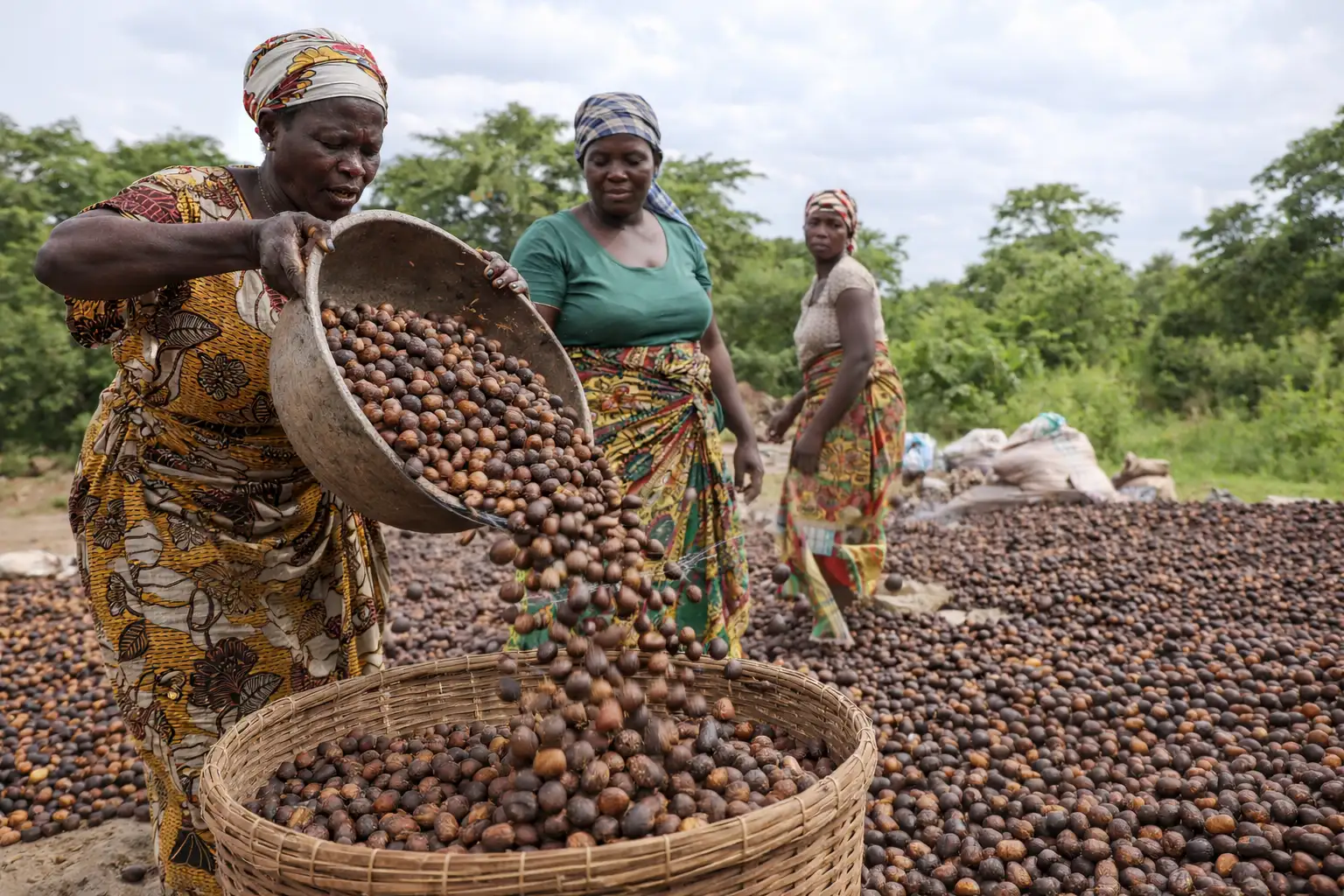
shea nuts
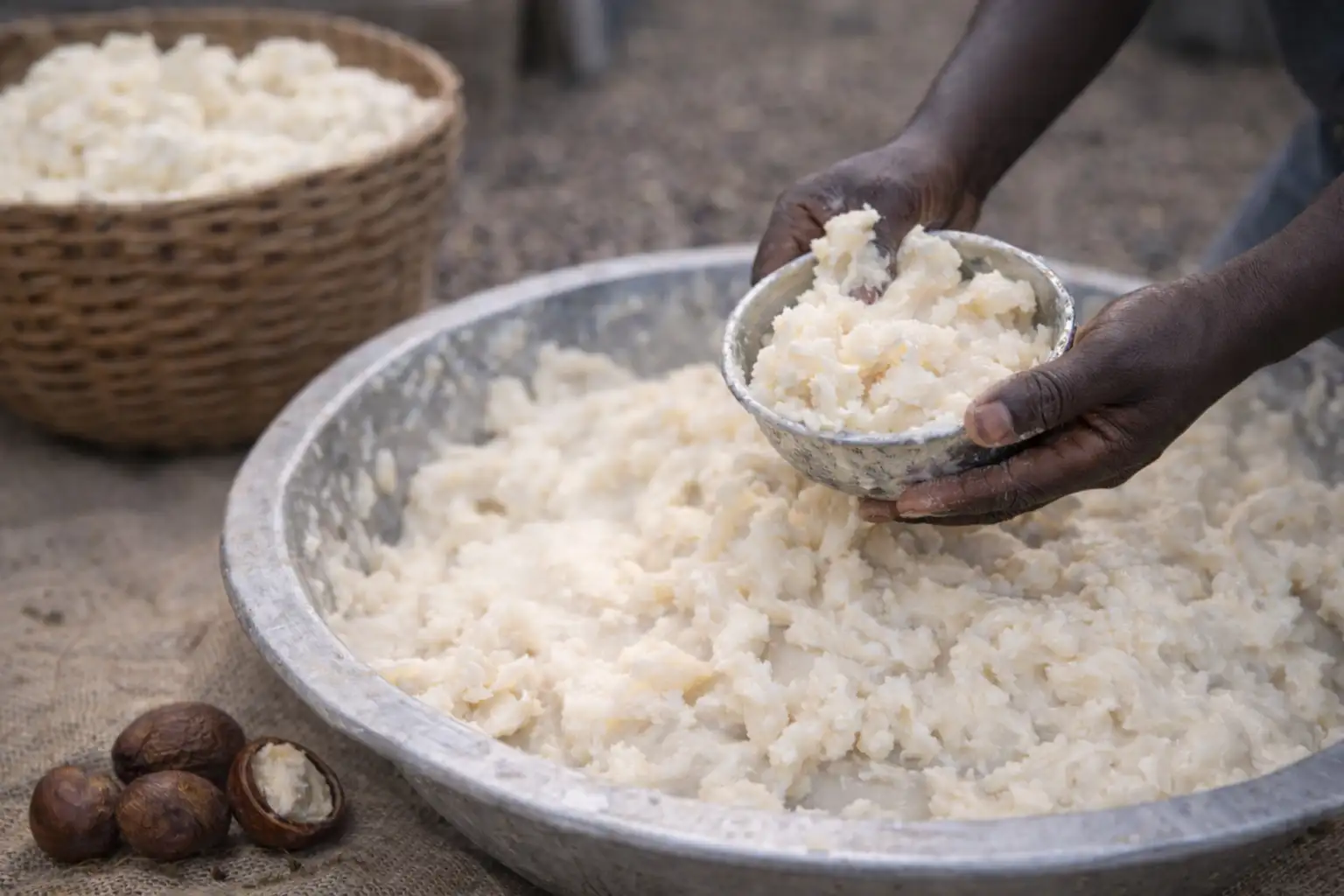
primary butter extraction
kernel aggregation
This makes African producers strategically irreplaceable.
3. Natural & sustainable sourcing
Global consumers increasingly demand:
natural ingredients
ethical sourcing
traceability and sustainability
African shea butter fits these requirements naturally due to traditional harvesting methods and low chemical input.
Why Demand Is Accelerating Now
The clean beauty movement is growing fast
Synthetic moisturizers are being phased out
Natural fats are replacing petroleum-based ingredients
Climate-resilient crops like shea are gaining importance
Demand is rising faster than supply modernization.
Why You Must Invest Now
1. Demand is outpacing structured supply
While demand grows yearly, production is still largely traditional. Investors who enter now help:
organize supply chains
improve processing efficiency
control quality and export readiness
Early investors capture higher margins.
2. Africa is moving up the value chain
The industry is shifting from exporting raw nuts to exporting:
refined butter
cosmetic-grade butter
branded and packaged products
Those positioned early benefit as value increases.
3. Shea is recession-resistant
People may cut luxury spending—but they do not stop using soap, lotion, food, or medicine. Shea butter demand remains stable even during economic downturns.
4. Long-term global relevance
Shea butter is not a trend—it is a permanent input in multiple industries. As long as humans need food, skin care, and health products, shea butter remains relevant.
Bottom Line
The world imports shea butter from Africa because it has no alternative.
Africa controls the source. Global industries control the demand.
Investing now means positioning yourself between scarcity and rising global consumption—before competition, regulation, and consolidation push entry costs higher.
Shea butter is no longer just a local product.
It is a global commodity with African roots and global demand.