Ghana’s Global Position in Shea Production
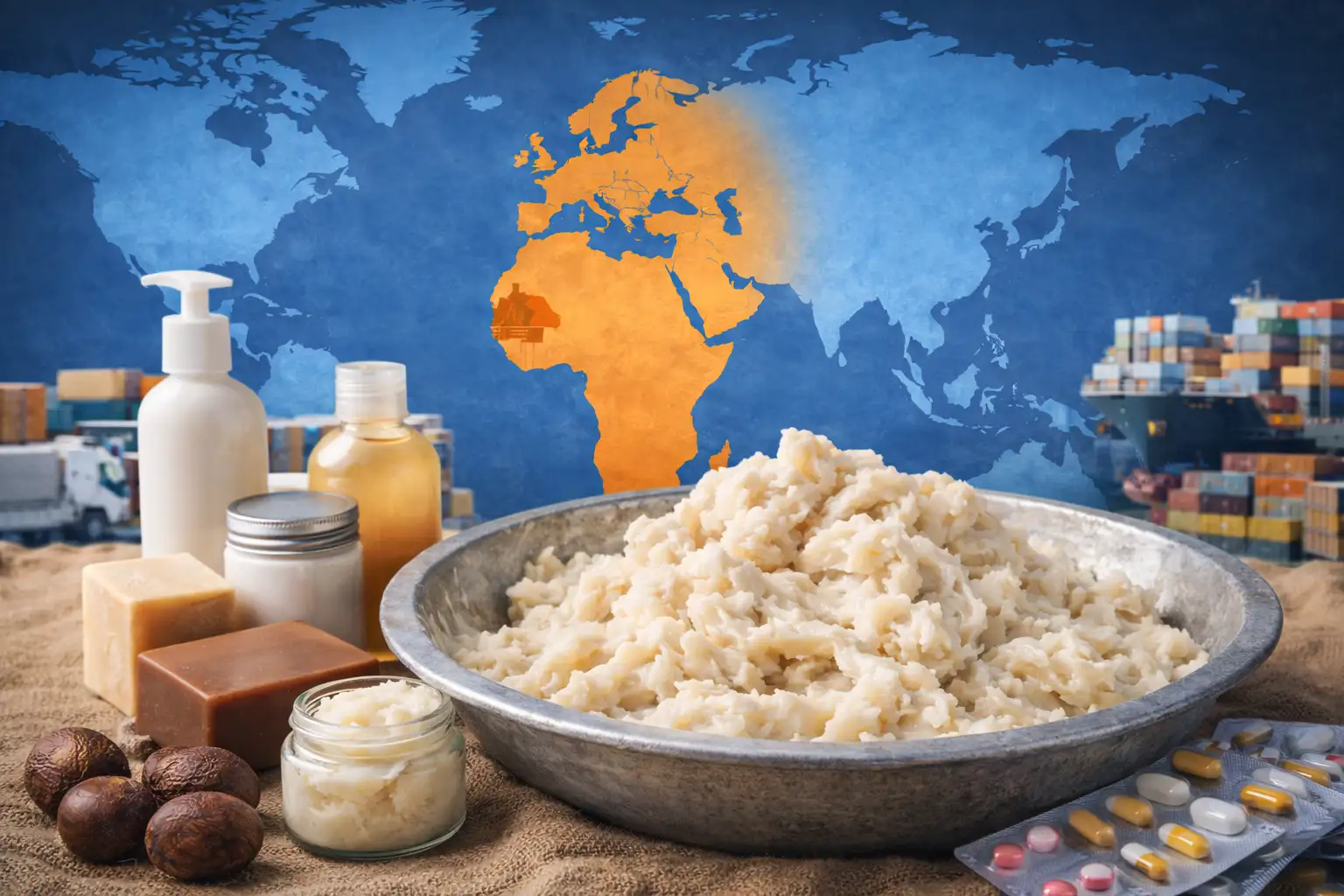
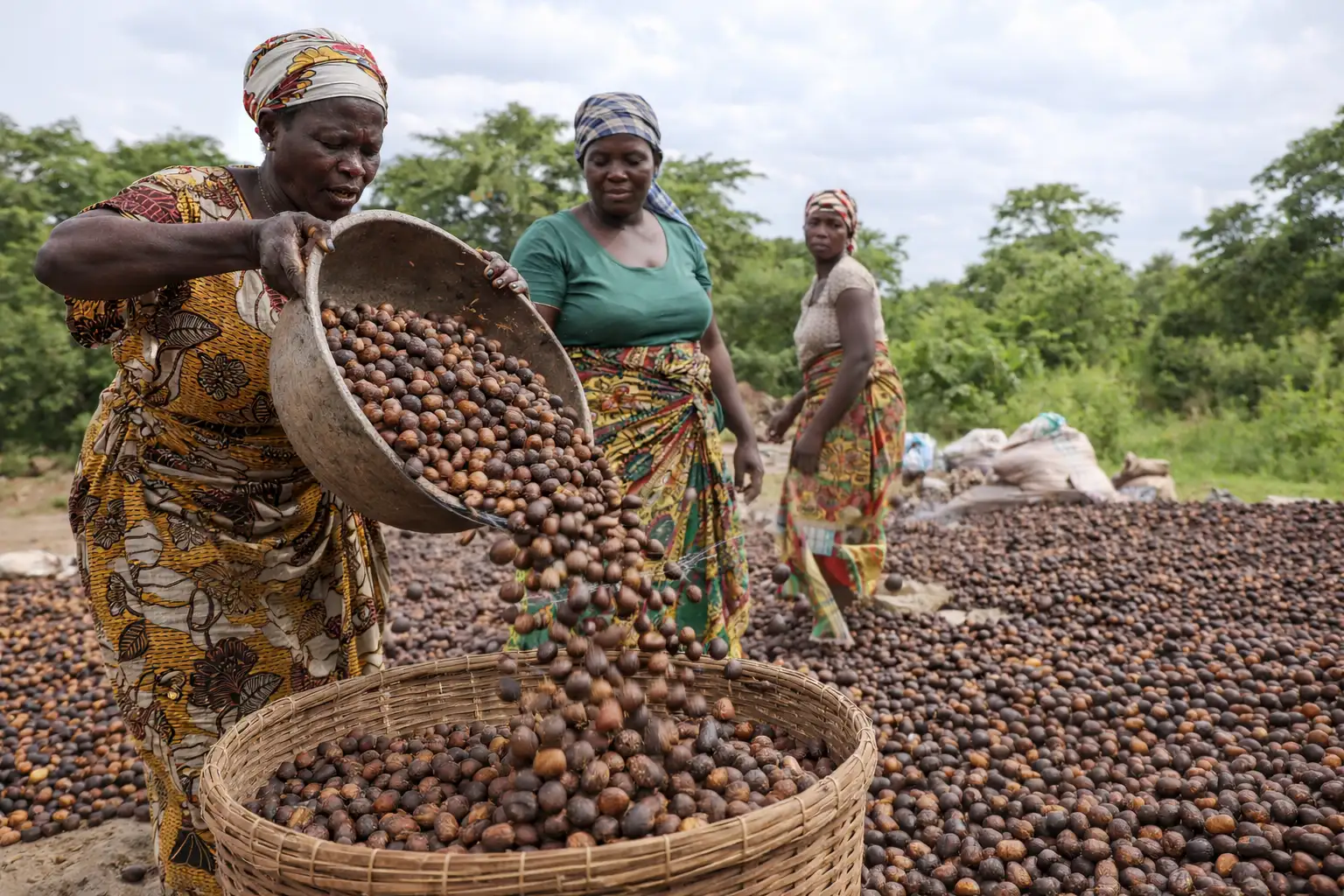
Ghana is widely recognized as one of the leading shea-producing countries in the world, consistently ranking second globally in shea nut production. Within the international shea industry, this position places Ghana at the center of supply, trade, and value-added processing.
In global rankings, Nigeria is typically listed as the largest producer of raw shea nuts, followed closely by Ghana. Other major producers include Mali, Burkina Faso, and Ivory Coast. Together, these West African nations form the backbone of the global shea supply.
More Than Volume: Why Ghana’s Rank Is Strategic
Although Ghana ranks second in terms of raw shea nut output, its importance in the global market goes far beyond volume. Ghana is frequently regarded as a top destination for processed shea butter and export-grade shea kernels, making it one of the most commercially significant countries in the shea value chain.
This distinction matters. Raw production alone does not guarantee quality, consistency, or export readiness. Ghana’s shea sector stands out because of its well-developed processing culture, structured aggregation systems, and long history of supplying international markets.
Processing Strength and Export Readiness
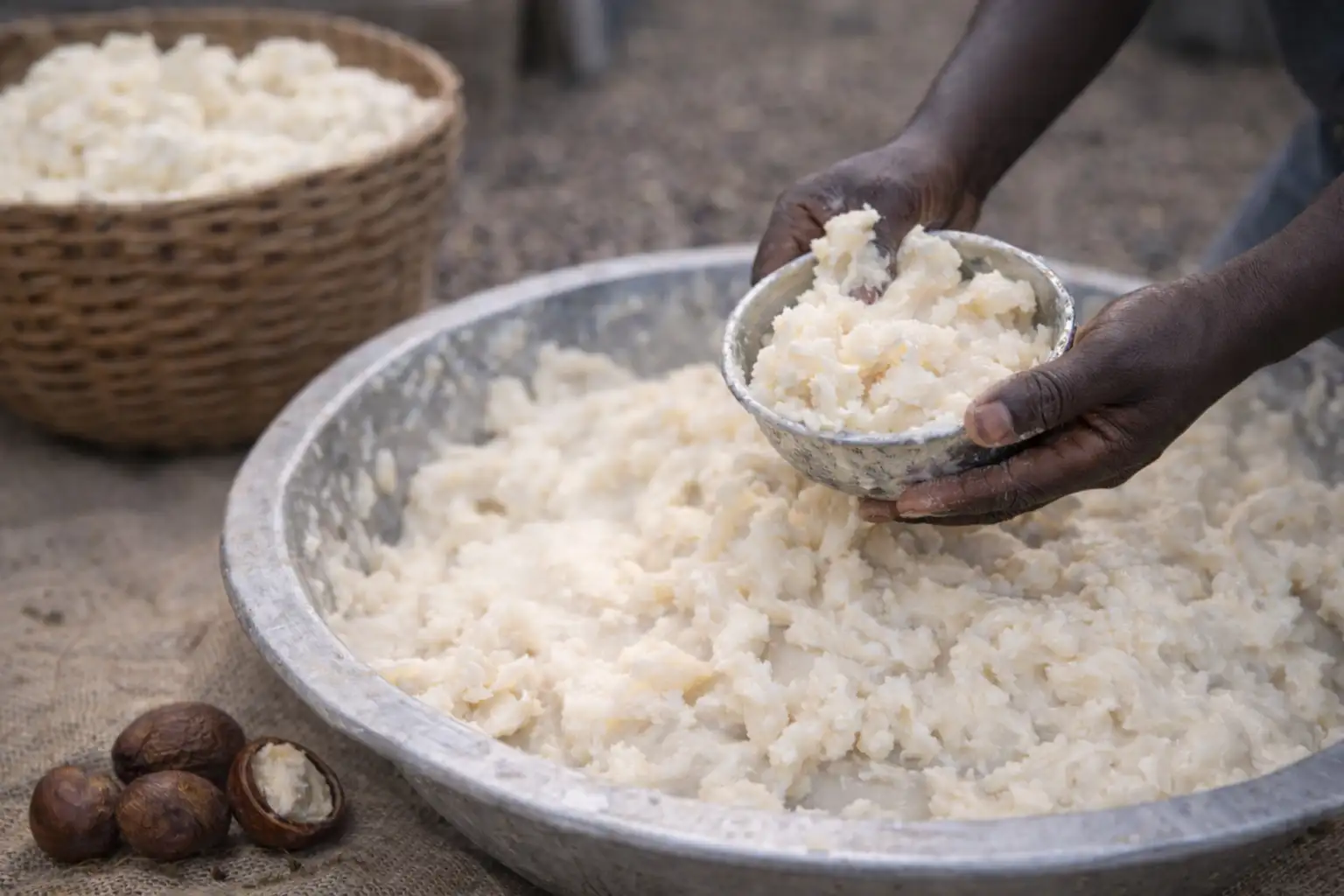
Ghana’s shea industry is deeply rooted in organized production, largely driven by women-led cooperatives with decades of experience. These groups are skilled in:
consistent processing techniques
bulk production for commercial buyers
meeting cosmetic and food-grade standards
As a result, Ghana often competes at the top of the market for processed shea butter, even when other countries produce higher raw volumes.
In addition, Ghana benefits from strong trade and logistics infrastructure, allowing shea butter and kernels to move efficiently from northern production zones to international buyers. This infrastructure advantage has positioned Ghana as a regional hub for shea exports in West Africa.
Ghana vs. Nigeria: Quantity vs. Commercial Strength
Nigeria’s leadership in raw shea nut production reflects its size and wide shea tree distribution. However, Ghana’s advantage lies in reliability, processing depth, and export structure. Many global buyers prefer Ghanaian shea butter because it offers:
predictable quality
consistent supply chains
better traceability
smoother export processes
For investors and international buyers, these factors often outweigh pure production volume.
What This Means for Investors
Ghana’s ranking as the world’s second-largest shea producer—combined with its leadership in processing and exports—makes it one of the most strategic countries in the global shea industry. It offers a balance of:
large-scale raw material availability
value-added processing
market credibility
long-term scalability
Conclusion
Ghana’s position in the global shea market is not just about being second in production—it is about being first in commercial reliability. This is why many serious shea butter operations, exporters, and investors continue to anchor their activities in Ghana, trusting its proven systems, experienced producers, and strong global market reputation.